
Foldable Collapsible Crate 60 × 40 × 28 cm
Collapsible crate on the 600 x 400 mm footprint. Folds flat when empty, so the return…
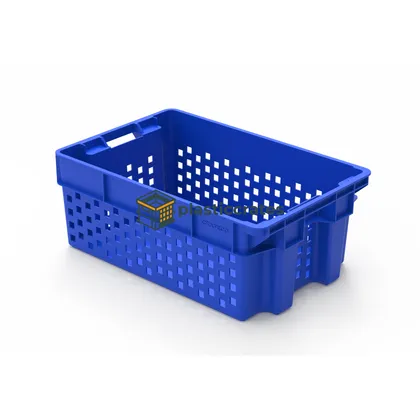
Fruit & Vegetable Crate 58.5 × 38.5 × 21 cm
Vented nesting crate sized for the produce trade. Empty crates nest down to cut the…
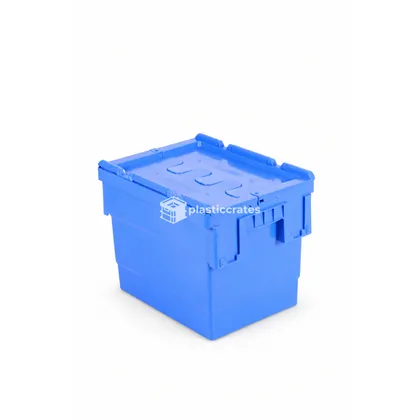
Lidded Storage Crate 40 × 30 × 30 cm
Lidded crate on the compact 40 x 30 footprint at 300 mm deep - a sealed container…
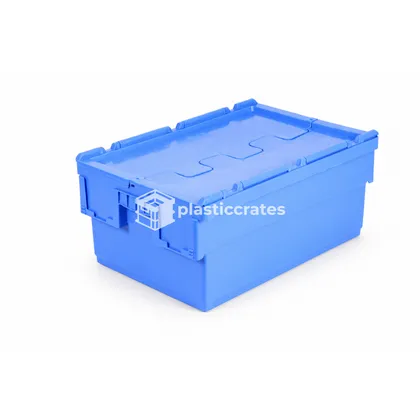
Lidded Storage Crate 60 × 40 × 25.5 cm
The shallowest lidded crate on the standard footprint at 255 mm - a closed container…
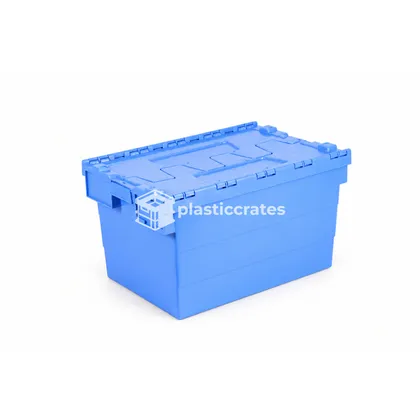
Lidded Storage Crate 60 × 40 × 30 cm
Lidded crate at 300 mm on the standard footprint - the mid-depth option, and the most…
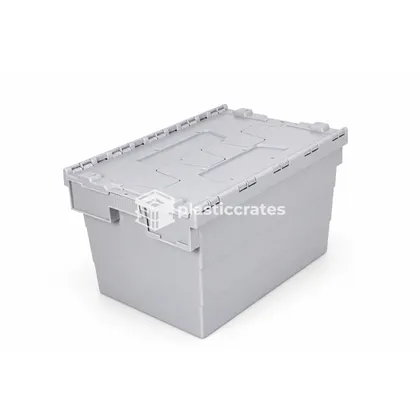
Lidded Storage Crate 60 × 40 × 34.5 cm
345 mm lidded crate - extra depth over the standard model without moving into…
Lidded Storage Crate 60 × 40 × 41 cm
410 mm lidded crate for bulk sealed storage, where the unit is put away and not moved…
Lidded Storage Crate 60 × 40 × 45 cm
The deepest lidded crate at 450 mm - maximum sealed volume on a standard pallet…
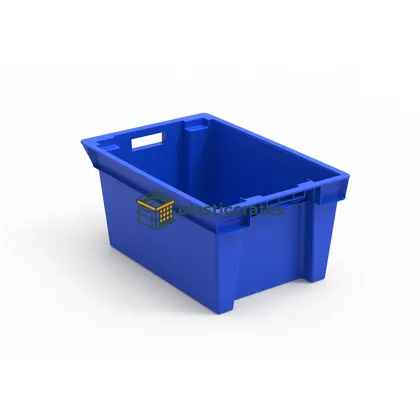
Solid Nesting Crate 60 × 40 × 28 cm
Solid-walled nesting crate at 280 mm - the closed version, for goods that need…
Spare Parts Storage Bin 38 × 20.5 × 18 cm
Nestable 38 cm bin with a stacking pin - stacks when full, nests down when empty.
Spare Parts Storage Bin 38 × 41 × 18 cm
The wide nestable bin at 38 x 41 cm - double the width of the standard nestable, for…
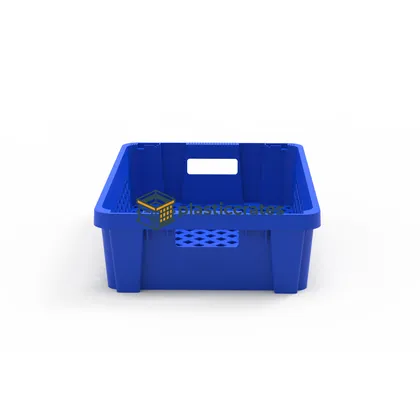
Ventilated Nesting Crate 60 × 40 × 15 cm
Shallow ventilated nesting crate at 150 mm - stacks loaded, nests empty, and breathes…
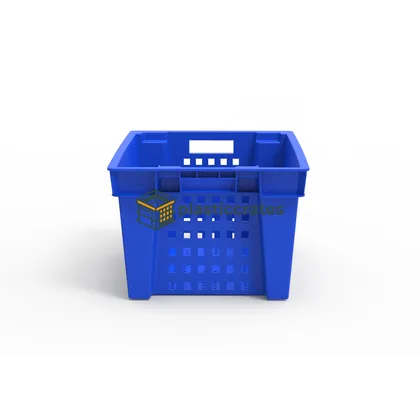
Ventilated Nesting Crate 60 × 40 × 28 cm
280 mm ventilated nesting crate - the working size in the nesting range for produce…
Ventilated Nesting Crate 60 × 40 × 32.5 cm
The deepest ventilated nesting crate at 325 mm, for bulk produce on circulating…
Nesting versus stacking, and why it matters
A plain stacking crate holds its full height whether loaded or empty, so a return leg of empty crates costs the same space as the outbound loaded one. On a fixed route that is a permanent, recurring cost.
A nestable crate solves it by tapering: empty, it drops inside the one below and a column of them takes a fraction of the height. Loaded, a bail arm or a rotation of the crate lets it stack square instead.
The trade against a foldable crate is that nesting still leaves each crate at its own footprint — you save height, not floor area — but there is nothing to break. For high-cycle operations where crates take rough handling, that durability usually wins.